
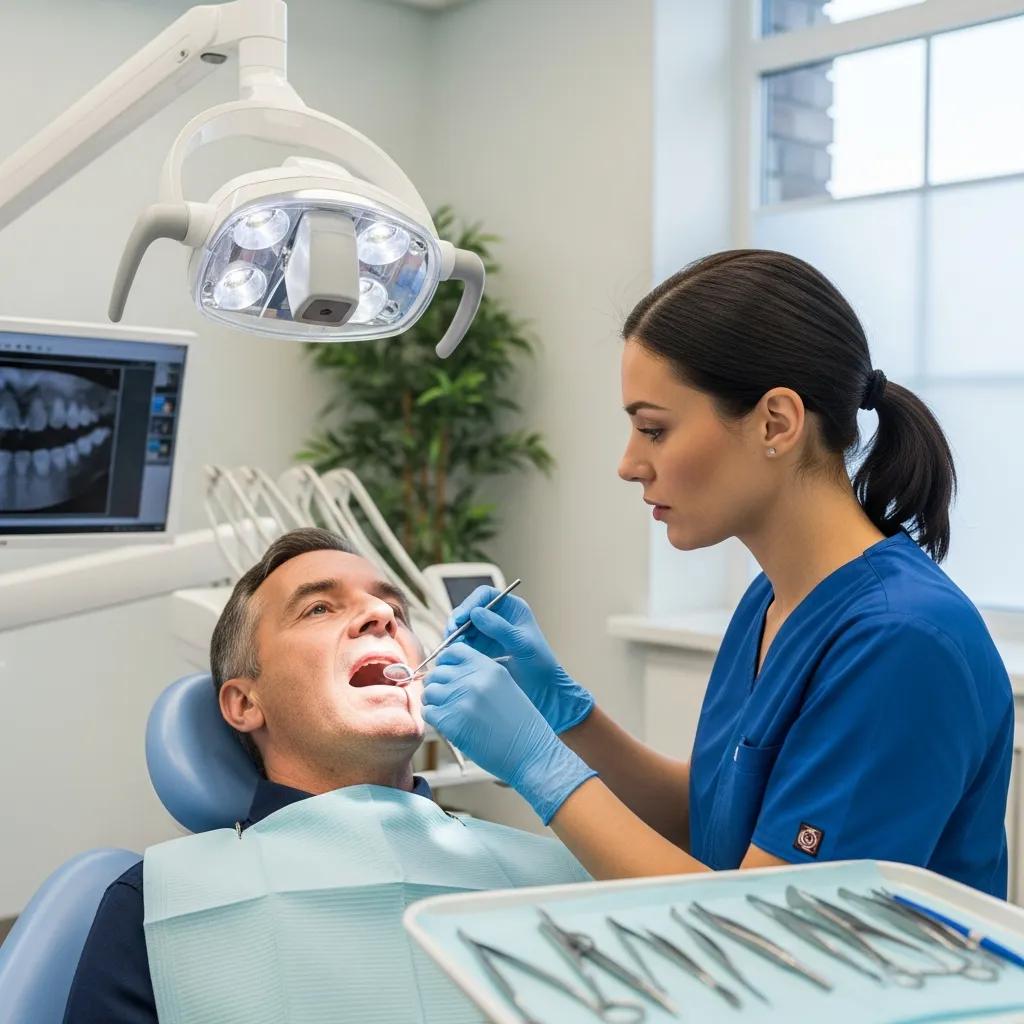
Comprehensive Periodontal Disease Treatment in Dallas, TX
Periodontal disease, commonly known as gum disease, is a serious condition that affects the gums and supporting structures of the teeth. It can lead to tooth loss and has been linked to various systemic health issues, making its treatment crucial for overall well-being. This article will explore the various treatment methodologies available for periodontal disease, the importance of addressing this condition, and the signs and symptoms to watch for. Additionally, we will discuss the treatment options available in Dallas, TX, including both non-surgical and surgical approaches, and highlight the services offered by Bleu Dentistry, a leading provider of comprehensive dental care in the area.
Treatment Methodologies
Effective treatment of periodontal disease involves a combination of methodologies tailored to the severity of the condition. These can range from preventative care methods to advanced surgical interventions. Understanding these methodologies is essential for patients seeking to maintain their oral health.
| Treatment Type | Description | Effectiveness |
|---|---|---|
| Non-Surgical Treatments | Includes scaling and root planing, which remove plaque and tartar from below the gum line. | High for early-stage gum disease. |
| Laser Therapy | Utilizes focused light to remove infected tissue and promote healing. | Effective for moderate to severe cases. |
| Surgical Procedures | Involves flap surgery or bone grafts to restore gum and bone health. | Recommended for advanced periodontal disease. |
This table illustrates the various treatment options and their effectiveness, helping patients understand the best approach for their specific needs.
Patient Solutions
At Bleu Dentistry, personalized care is a priority. The clinic offers flexible financing options and emergency services to ensure that all patients receive the treatment they need without financial strain.
- Personalized Treatment Plans: Each patient receives a tailored plan based on their specific condition and needs.
- Flexible Financing Options: Various payment plans are available to accommodate different budgets.
- Emergency Services Availability: Immediate care is provided for urgent dental issues, ensuring patients do not suffer unnecessarily.
These solutions are designed to enhance patient experience and ensure effective management of periodontal disease.
Importance of Addressing Periodontal Disease
Addressing periodontal disease is vital for several reasons. First, it helps prevent tooth loss, which can significantly impact a person’s quality of life. Second, there is a growing body of evidence linking gum disease to systemic health issues, including heart disease and diabetes. By managing periodontal disease, patients can improve their overall health and well-being.
Research further emphasizes the critical connection between oral health and overall systemic well-being, highlighting the broad impact of periodontal disease.
Periodontitis & Systemic Health: Comorbidities & Bidirectional Links
Increasing evidence has suggested an independent association between periodontitis and a range of comorbidities, for example cardiovascular disease, type 2 diabetes, rheumatoid arthritis, osteoporosis, Parkinson’s disease, Alzheimer’s disease, psoriasis, and respiratory infections. Shared inflammatory pathways are likely to contribute to this association, but distinct causal mechanisms remain to be defined. Some of these comorbid conditions may improve by periodontal treatment, and a bidirectional relationship may exist, where, for example, treatment of diabetes can improve periodontal status.
Relationship between periodontal disease and systemic health, RI Garcia, 2000
Moreover, effective treatment can enhance the quality of life by restoring oral function and aesthetics. Regular dental visits and proper oral hygiene are essential components of maintaining gum health.
What Are the Common Signs and Symptoms of Gum Disease?
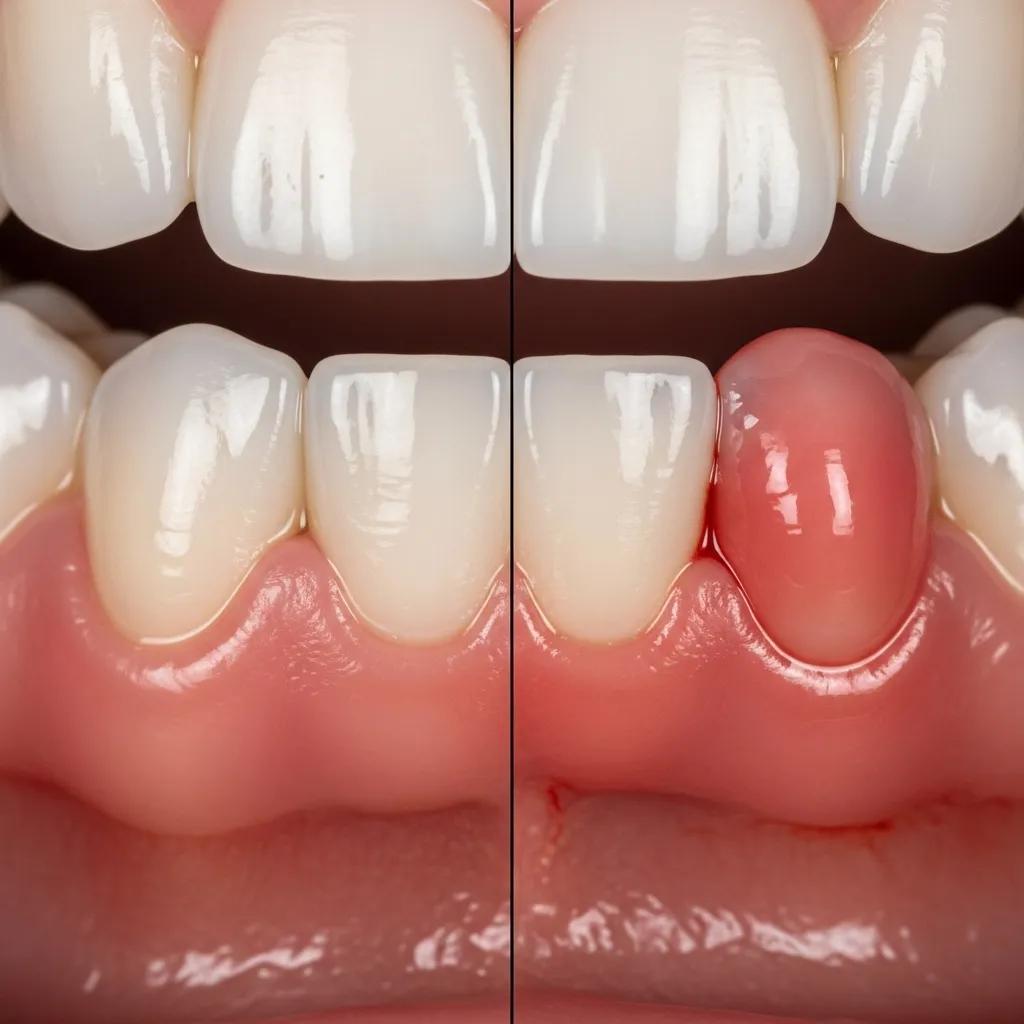
Recognizing the signs and symptoms of gum disease early can lead to more effective treatment. Common indicators include:
- Redness and Swelling of Gums: Healthy gums should be pink and firm. Red or swollen gums are often the first signs of gum disease.
- Bleeding During Brushing: If gums bleed when brushing or flossing, it may indicate inflammation.
- Persistent Bad Breath: Chronic bad breath can be a sign of gum disease or other dental issues.
Identifying these symptoms early can help in seeking timely treatment and preventing further complications.
How to Recognize Early and Advanced Gum Disease Symptoms
Gum disease progresses through stages, and recognizing symptoms at each stage is crucial for effective management.
Early symptoms include:
- Bleeding Gums: Often noticed during brushing or flossing.
- Sensitivity: Increased sensitivity to hot or cold foods and beverages.
Advanced symptoms may include:
- Loose Teeth: As the supporting structures weaken, teeth may become loose.
- Receding Gums: Gums may pull away from the teeth, exposing more of the tooth or its root.
Understanding these symptoms can empower patients to seek help before the condition worsens.
Which Gum Disease Treatment Options Are Available in Dallas?

In Dallas, patients have access to a variety of treatment options for gum disease. These include both non-surgical and surgical methods tailored to the severity of the condition.
Non-Surgical Gum Treatments: Scaling, Root Planing, and Laser Therapy
Non-surgical treatments are often the first line of defense against gum disease.
- Scaling and Root Planing: This deep cleaning procedure removes plaque and tartar from below the gum line, helping to reduce inflammation and promote healing.
- Laser Therapy: This advanced technique uses lasers to target infected gum tissue, minimizing discomfort and promoting faster recovery.
These methods are effective for early to moderate stages of gum disease and can significantly improve gum health.
Further research supports the efficacy of non-surgical approaches, emphasizing various modalities for the prevention and treatment of periodontitis.
Periodontitis Treatment: Non-Surgical Modalities & Prevention
Periodontitis is the most common localized dental inflammatory disease related with several pathological conditions like inflammation of gums (gingivitis), degeneration of periodontal ligament, dental cementum and alveolar bone loss. In this perspective, the various preventive and treatment modalities, including oral hygiene, gingival irrigations, mechanical instrumentation, full mouth disinfection, host modulation and antimicrobial therapy, which are used either as adjunctive treatments or as stand-alone therapies in the non-sur
Treatment modalities and evaluation models for periodontitis, M Tariq, 2012
Surgical Periodontal Therapies: When and Why They Are Recommended
Surgical treatments may be necessary for patients with advanced periodontal disease.
- Flap Surgery: This procedure involves lifting the gums to remove tartar deposits and then suturing them back in place for better healing.
- Bone Grafts: In cases where bone has been lost due to periodontal disease, grafting can help restore the bone structure.
These surgical options are typically recommended when non-surgical treatments have not been effective.
Studies have also explored the effectiveness of surgical interventions, particularly the use of bone grafts, in regenerating lost periodontal tissue and addressing deep intrabony pockets.
Surgical Periodontitis Therapy: Bone Grafts for Regeneration
One of the most important goals of periodontitis therapy is the elimination of deep periodontal pockets. In regenerative periodontal therapy, different types of bone grafts, membranes, growth factors, etc. are used to improve regeneration of lost periodontal tissue.The aim of this study was to evaluate the effect of surgical therapy supported by the use of bone replacement material in the treatment of deep intrabony pockets, compared to surgical treatment (flap surgery) without the use of bone replacement in advanced periodontitis.
Evaluation of efficacy of surgical periodontal therapy with the use of bone graft in the treatment of periodontal intrabony defects, M Gojkov-Vukelic, 2017
Who Is the Best Periodontist in Dallas for Gum Disease Care?
Choosing the right periodontist is crucial for effective gum disease treatment. Patients should look for professionals with:
- Credentials: Board certification and specialized training in periodontics.
- Patient Care Focus: A commitment to personalized care and patient education.
- Technology Used in Treatments: Utilization of advanced technology for diagnosis and treatment.
Bleu Dentistry is recognized for its comprehensive approach to periodontal care, ensuring patients receive the highest quality treatment.
Patient Testimonials Highlighting Successful Periodontal Treatments
Patient experiences can provide valuable insights into the effectiveness of periodontal treatments. Many individuals report significant improvements in their oral health and overall well-being after receiving care at Bleu Dentistry.
- Positive Patient Experiences: Testimonials often highlight the compassionate care and successful outcomes achieved through personalized treatment plans.
- Success Stories: Many patients share their journeys from struggling with gum disease to achieving healthy gums and restored confidence.
These testimonials underscore the importance of seeking professional help for gum disease.
How Much Does Periodontal Therapy Cost in Dallas, TX?
The cost of periodontal therapy can vary based on several factors, including the type of treatment required and the severity of the condition.
- Average Costs of Treatments: Non-surgical treatments may range from $150 to $400 per session, while surgical options can be significantly higher.
- Factors Influencing Pricing: Complexity of the case, materials used, and the experience of the dentist can all impact costs.
Understanding these factors can help patients plan for their treatment expenses.
Factors Influencing Gum Disease Treatment Costs
Several factors can influence the overall cost of gum disease treatment:
- Complexity of Treatment: More severe cases may require extensive procedures, increasing costs.
- Materials Used: High-quality materials for surgical procedures can add to the expense.
- Experience of the Dentist: Highly experienced periodontists may charge more for their services.
Being aware of these factors can help patients make informed decisions regarding their treatment options.
Insurance Coverage and Payment Options at Bleu Dentistry
Bleu Dentistry offers various payment options to make periodontal care accessible to all patients.
- Insurance Plans Accepted: Many insurance plans cover a portion of periodontal treatments, reducing out-of-pocket costs.
- Flexible Payment Options: The clinic provides financing plans to help patients manage their expenses effectively.
These options ensure that financial concerns do not prevent patients from receiving necessary care.
How to Maintain Healthy Gums After Periodontal Treatment
Maintaining gum health after treatment is essential for preventing recurrence of periodontal disease.
- Oral Hygiene Routines: Regular brushing and flossing are crucial for keeping gums healthy.
- Dietary Considerations: A balanced diet rich in vitamins and minerals supports gum health.
- Follow-Up Care Strategies: Regular dental check-ups and cleanings help monitor gum health and catch any issues early.
Implementing these practices can significantly enhance the longevity of treatment results.
Routine Dental Cleanings and Follow-Up Care for Gum Disease
Regular dental cleanings are vital for maintaining gum health.
- Frequency of Cleanings: Patients with a history of gum disease may require cleanings every three to four months.
- Monitoring Gum Health: Regular visits allow for early detection of any potential issues.
- Personalized Care Advice: Dentists can provide tailored recommendations based on individual needs.
These routine practices are essential for sustaining the health of the gums and preventing future complications.
Lifestyle and Oral Hygiene Tips to Prevent Gum Disease Recurrence
Preventing the recurrence of gum disease involves adopting healthy lifestyle and oral hygiene practices.
- Daily Oral Hygiene Practices: Brushing twice a day and flossing daily are fundamental.
- Dietary Recommendations: Limiting sugary foods and beverages can reduce plaque buildup.
- Lifestyle Changes: Quitting smoking and managing stress can also contribute to better gum health.
By following these tips, patients can significantly reduce their risk of developing gum disease again.