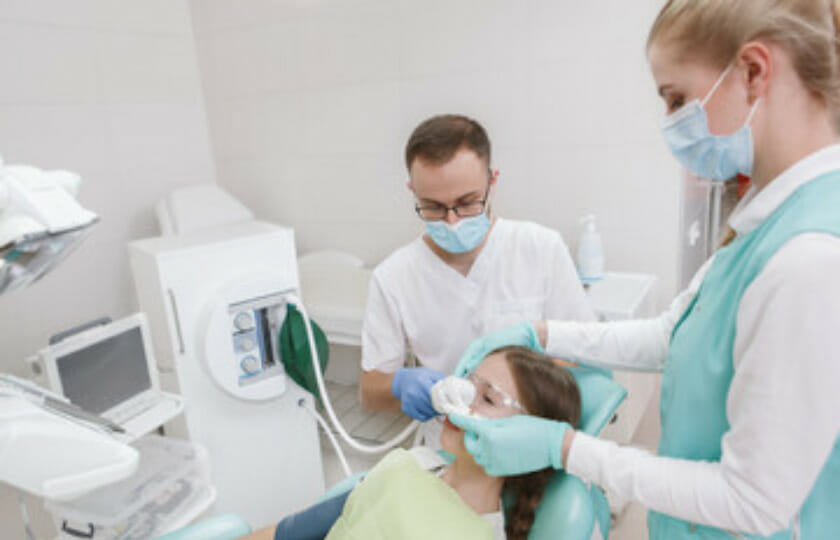
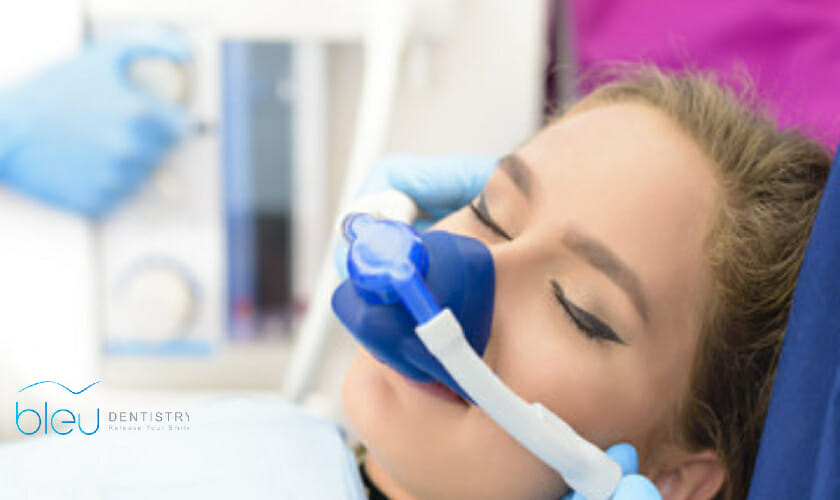
If you require a dental operation, you may have heard your dentist refer to “laughing gas” as an option. Please don’t be concerned; the anesthetic is just as anxiety-free as its name suggests! Before you go in for your treatment, you should know some essential facts concerning this extensively used anesthetic, included below. The phrase… Continue reading Facts You Need To Know About Nitrous Oxide Gas Sedation
Most people skip their dental appointments fearing the pain and discomfort associated with dental procedures. However, sedation dentistry has changed the game altogether! It has become easier to perform procedures and provide patients with a more relaxed experience. Skipping regular appointments with your dentist in Dallas can create oral health complications. With sedation dentistry, you… Continue reading Perks Of Sedation Dentistry
If you have dental anxiety, it is most probably because of the pain that is associated with dental procedures. However, dental anxiety could also be attributed to other forms of discomfort. This mostly includes the uneasy or weird feeling of dental objects touching your teeth. This is where sedation dentistry steps in. In earlier times,… Continue reading The Benefits of Sedation Dentistry
It’s important not to take any chances when it comes to caring for your teeth and gums. Visiting the dentist regularly is essential if you want to prevent dental diseases and other dangerous medical conditions. However, many people experience “dental anxiety” or “dental phobia” and find it difficult to schedule an appointment. Luckily, Bleu Dentistry… Continue reading Is Sedation Dentistry Right for Me?
Understanding Sedation Dentistry Techniques
Sedation dentistry encompasses various techniques designed to help patients relax during dental procedures. The most common methods include nitrous oxide, oral sedatives, and intravenous (IV) sedation. Each technique is tailored to meet the needs of different patients based on their level of anxiety and the complexity of the dental work required.
For instance, nitrous oxide, often referred to as "laughing gas," provides a mild sedative effect that helps reduce anxiety while allowing patients to remain awake and responsive. Oral sedatives, on the other hand, are taken before the appointment and can lead to a deeper state of relaxation, while IV sedation offers the most profound level of sedation, making it suitable for more invasive procedures.
Common Myths About Sedation Dentistry
There are several myths surrounding sedation dentistry that can prevent patients from seeking the care they need. One common misconception is that sedation dentistry is only for those with severe anxiety. In reality, many patients who experience mild anxiety can benefit from sedation techniques to enhance their comfort during dental visits.
Another myth is that sedation dentistry is unsafe. However, when administered by a qualified dental professional, sedation is generally safe and effective. Dentists are trained to monitor patients closely during procedures, ensuring that the level of sedation is appropriate and that vital signs remain stable throughout the treatment.
Preparing for Your Sedation Dentistry Appointment
Preparation for a sedation dentistry appointment is crucial to ensure a smooth experience. Patients are typically advised to refrain from eating or drinking for several hours prior to their appointment, especially if they are receiving oral or IV sedation. This helps minimize the risk of complications during the procedure.
Additionally, it is important for patients to discuss their medical history and any medications they are currently taking with their dentist. This information helps the dental team determine the most appropriate sedation method and dosage, ensuring a safe and effective treatment experience tailored to the individual’s needs.
Post-Procedure Care After Sedation Dentistry
After undergoing sedation dentistry, patients should be aware of the necessary post-procedure care to ensure a smooth recovery. It is common for patients to feel groggy or disoriented immediately following the procedure, so having a responsible adult accompany them home is crucial for safety.
Patients are also advised to avoid strenuous activities for the remainder of the day and to follow any specific aftercare instructions provided by their dentist. This may include recommendations for pain management and dietary restrictions, ensuring optimal healing and comfort as they recover from their dental procedure.