
Rapid Urgent Dental Care for Emergencies in Dallas
Reviewed by: Dr. Allen Charles, DDS — Cosmetic & General Dentist at Bleu Dentistry
Last reviewed: May 2026
Dental emergencies can occur unexpectedly, causing significant pain and distress. Understanding what constitutes a dental emergency and how to respond can make a crucial difference in outcomes. This article will explore the various types of dental emergencies, the symptoms to watch for, and the steps to take when immediate care is needed. Additionally, we will discuss how Bleu Dentistry in Dallas provides urgent dental care services to address these emergencies effectively. By the end of this guide, you will be equipped with the knowledge to handle dental crises and understand the importance of prompt treatment.
Common Dental Emergencies and Symptoms
Dental emergencies encompass a range of situations that require immediate attention. Recognizing the symptoms associated with these emergencies is vital for timely intervention. Common dental emergencies include:
- Severe Toothache: Often indicative of an underlying issue such as decay or infection, a severe toothache can be debilitating and requires prompt evaluation.
- Chipped or Broken Tooth: Accidents can lead to chipped or broken teeth, which may expose sensitive areas and increase the risk of infection.
- Knocked-Out Tooth: This is a critical emergency where immediate action can save the tooth. The tooth should be handled by the crown and not the root, and it should be kept moist until professional help is available.
- Dental Abscess: A painful infection at the root of a tooth or in the gums can lead to serious complications if not treated quickly.
- Lost Filling or Crown: Losing a filling or crown can expose the tooth to further damage and discomfort.
Recognizing these symptoms and understanding when to seek immediate care can prevent further complications and preserve dental health. If you experience any of these issues, it is essential to contact an emergency dentist promptly.
Further insights into the nature and treatment of these common dental emergencies are provided by expert medical literature.
Common Dental Emergencies: Pain, Abscess, Pericoronitis & Avulsion
Dental caries, a bacterial disease of teeth characterized by destruction of enamel and dentine, is often the underlying cause of dental pain. When a carious lesion impinges on the dental pulp, pulpitis follows and, ultimately, necrosis of the pulp occurs. Untreated necrosis may lead to a localized abscess or a spreading infection into the surrounding soft tissue that results in cellulitis. Immediate treatment involves antibiotic therapy for cellulitis, perhaps with drainage of abscesses, while definitive treatment requires root canal therapy or extraction of the involved tooth. Pericoronitis is an inflammation of the soft tissue overlying a partially erupted tooth. Localized cases respond to irrigation. Secondary cellulitis can develop. Definitive treatment may require surgical extraction of the underlying tooth or excision of the gum flap. Avulsion of a permanent tooth secondary to trauma is a true dental emergency. The tooth should be reimplanted on the spot, and the patient should b
Common dental emergencies, 2003
Step-by-Step Emergency Care Procedures
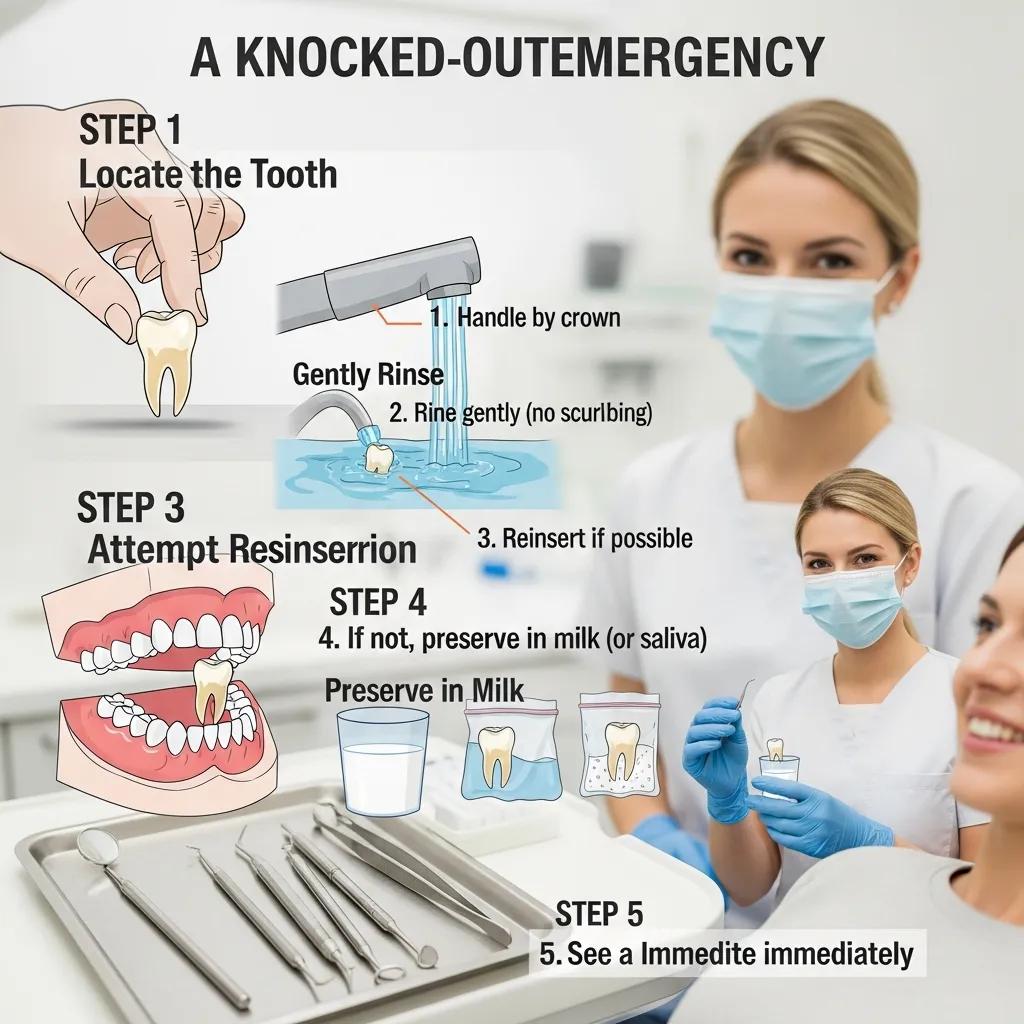
When faced with a dental emergency, knowing the appropriate steps to take can alleviate pain and prevent further damage. Here’s a step-by-step guide to managing common dental emergencies:
- Assess the Situation: Determine the severity of the issue. If there is severe pain, bleeding, or a knocked-out tooth, seek immediate care.
- Manage Pain: Over-the-counter pain relievers can help alleviate discomfort while waiting for professional treatment. Avoid placing aspirin directly on the gums, as it can cause burns.
- Control Bleeding: For bleeding gums or injuries, apply gentle pressure with a clean cloth or gauze. If bleeding persists, seek emergency care.
- Preserve a Knocked-Out Tooth: If a tooth is knocked out, rinse it gently without scrubbing, and place it back in the socket if possible. If not, keep it in a container of milk or saline until you can see a dentist.
- Contact a Dental Professional: For immediate relief and expert intervention, reach out to an emergency provider like Bleu Dentistry. Under the clinical direction of Dr. Allen Charles, DDS, our team leverages decades of combined restorative experience to provide the urgent, evidence-based care necessary to preserve your oral health.
These steps can help manage the situation until professional help is available, ensuring the best possible outcome for your dental health.
The importance of structured guidelines for managing traumatic dental injuries is underscored by comprehensive research.
Traumatic Dental Injury: Diagnosis & Emergency Management Guidelines
The prevalence and consequences of traumatic dental injuries (TDI) make them a public health problem. Trustworthy TDI clinical practice guidelines (CPGs) assist clinicians in determining a diagnosis and guide them to the most appropriate therapy. The aim of this systematic survey was to identify and evaluate the quality of CPGs for the diagnosis, emergency management, and follow-up of TDIs.
Emergency and sequalae management of traumatic dental injuries: a systematic survey of clinical practice guidelines, C Zaror, 2023
Appointment Scheduling and After-Hours Services
When a dental emergency arises, timely intervention is crucial. Bleu Dentistry in Dallas understands the urgency of these situations and offers flexible appointment scheduling, including after-hours services. Patients can easily book an appointment by calling the office or visiting the website.
The importance of prompt care cannot be overstated; delays in treatment can lead to more severe complications, including infections or tooth loss. Bleu Dentistry is committed to providing urgent dental care when you need it most, ensuring that patients receive the attention they require without unnecessary delays.
In summary, understanding the types of dental emergencies and the appropriate responses can significantly impact your dental health. If you find yourself in need of urgent dental care, remember that Bleu Dentistry is here to help you navigate these challenging situations with expertise and compassion.